
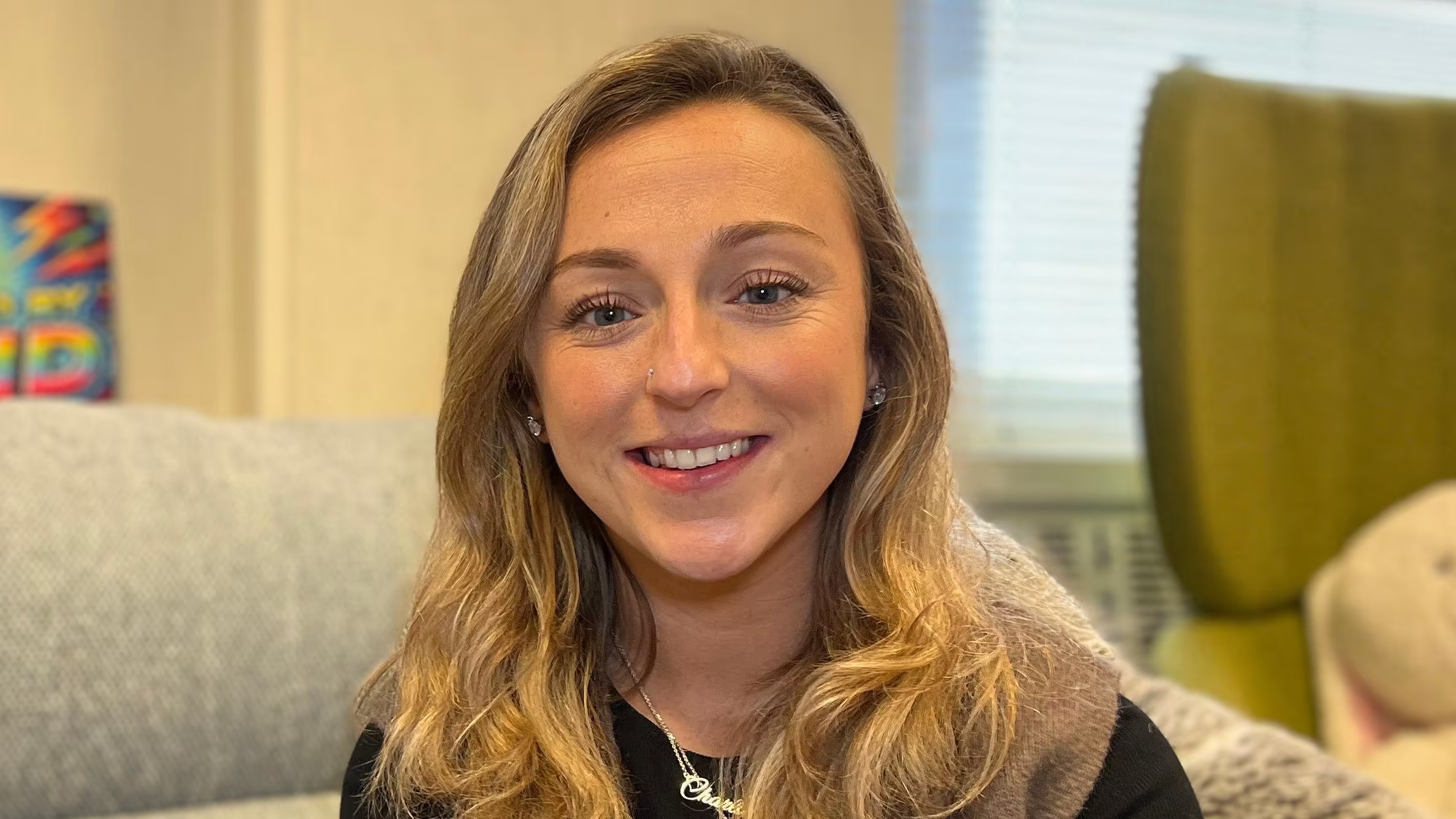
In 2021, Charlie Herd was sentenced to three and a half years in prison for drug offences. Throughout her incarceration, she navigated the harsh, rigid realities of the justice system without a crucial piece of understanding about her own mind: she was living with undiagnosed Attention Deficit Hyperactivity Disorder (ADHD). It was only after her release that she finally received an official diagnosis, a profound revelation that recontextualized her past behaviors and fueled a new, vital mission.
Recently, Herd took her lived experience directly to the halls of power, speaking in the UK Parliament as a key voice for the A Personal Sentence campaign. Reflecting on the massive shift in her life’s trajectory and the importance of speaking out, she noted, “it was quite momental going from prison to parliment.”
The A Personal Sentence campaign aims to urgently raise awareness about the systemic failure to identify and support neurodivergent women within the criminal justice system. The campaign and its advocates are calling for mandatory, comprehensive ADHD screenings for all women upon entering prison. By providing access to proper diagnosis and tailored psychological support both during incarceration and upon release, advocates argue that the justice system can significantly reduce the risk of reoffending and help women rebuild their lives with dignity.
This push for urgent reform is heavily backed by academic research. There is significant evidence linking unsupported ADHD to criminal behavior, particularly concerning impulsive decision-making and untreated systemic challenges. Case studies and academic reports focusing on women’s prisons reveal staggering disparities. While ADHD affects roughly 3% to 4% of the general population, comprehensive studies indicate that an alarming 41% of women in UK prisons meet the diagnostic criteria for ADHD.
Despite these overwhelming numbers, the prison environment remains largely unequipped to handle neurodivergent needs. Busy wings, strict routines, and a lack of staff training often exacerbate ADHD symptoms. Without a diagnosis, women with ADHD are frequently misunderstood, leaving them trapped in a revolving door of offending and incarceration. When prisons fail to screen for neurodivergence, they miss a critical window for genuine rehabilitation.
To break this cycle, early intervention and proper medical support must become the standard.
For more in-depth information, case studies, and insights on how ADHD impacts women behind bars, you can purchase and read The View Magazine Issue 9, which specifically highlights ADHD in women’s prisons.
This is a news article brought to you by The View Magazine.